The growing popularity of rainwater harvesting systems and the use of water tanks as a sustainable water source for homes
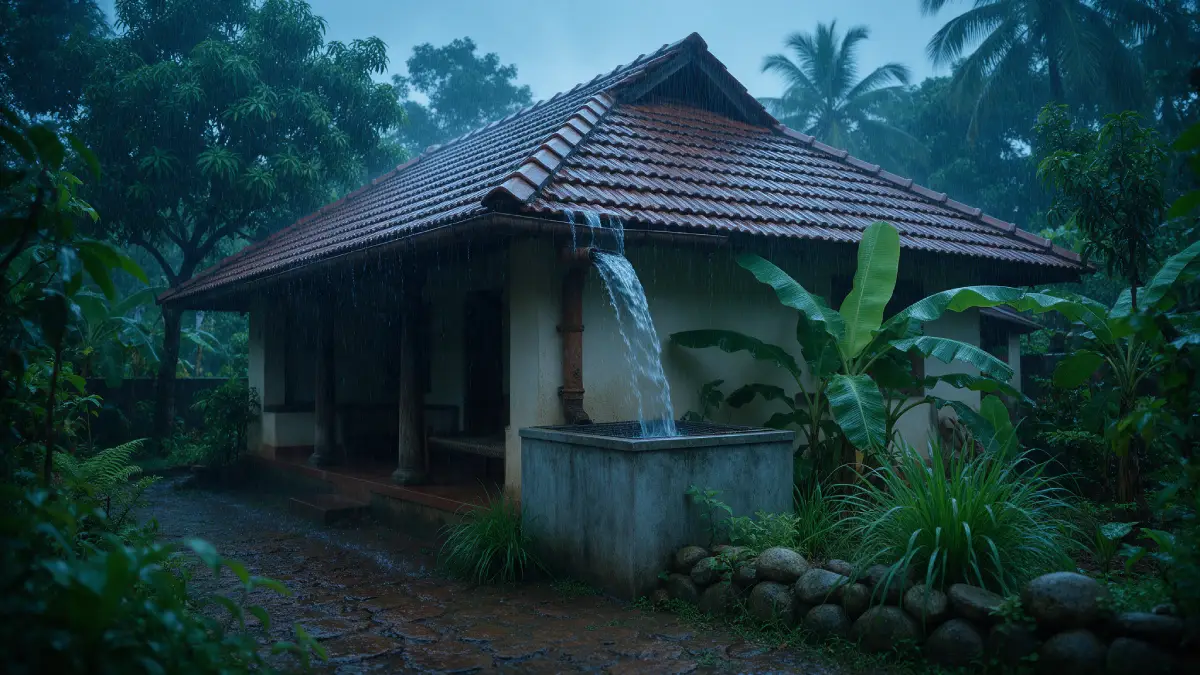
How does rainwater harvesting work at home? Rain falling on your roof is channelled through gutters and pipes, filtered to remove leaves and debris, and stored in a tank for later use. It’s a simple way to turn a few heavy monsoon months into water you can use through the dry season.
The basic setup
- Catchment — a clean roof surface.
- Gutters and downpipes — carry rainwater to the tank.
- Filter and first-flush — screens out debris and diverts the dirtiest first rainfall.
- Storage tank — holds the filtered water.
- Overflow — directs extra water safely away, for example to a recharge pit.
Why a tank is the centrepiece
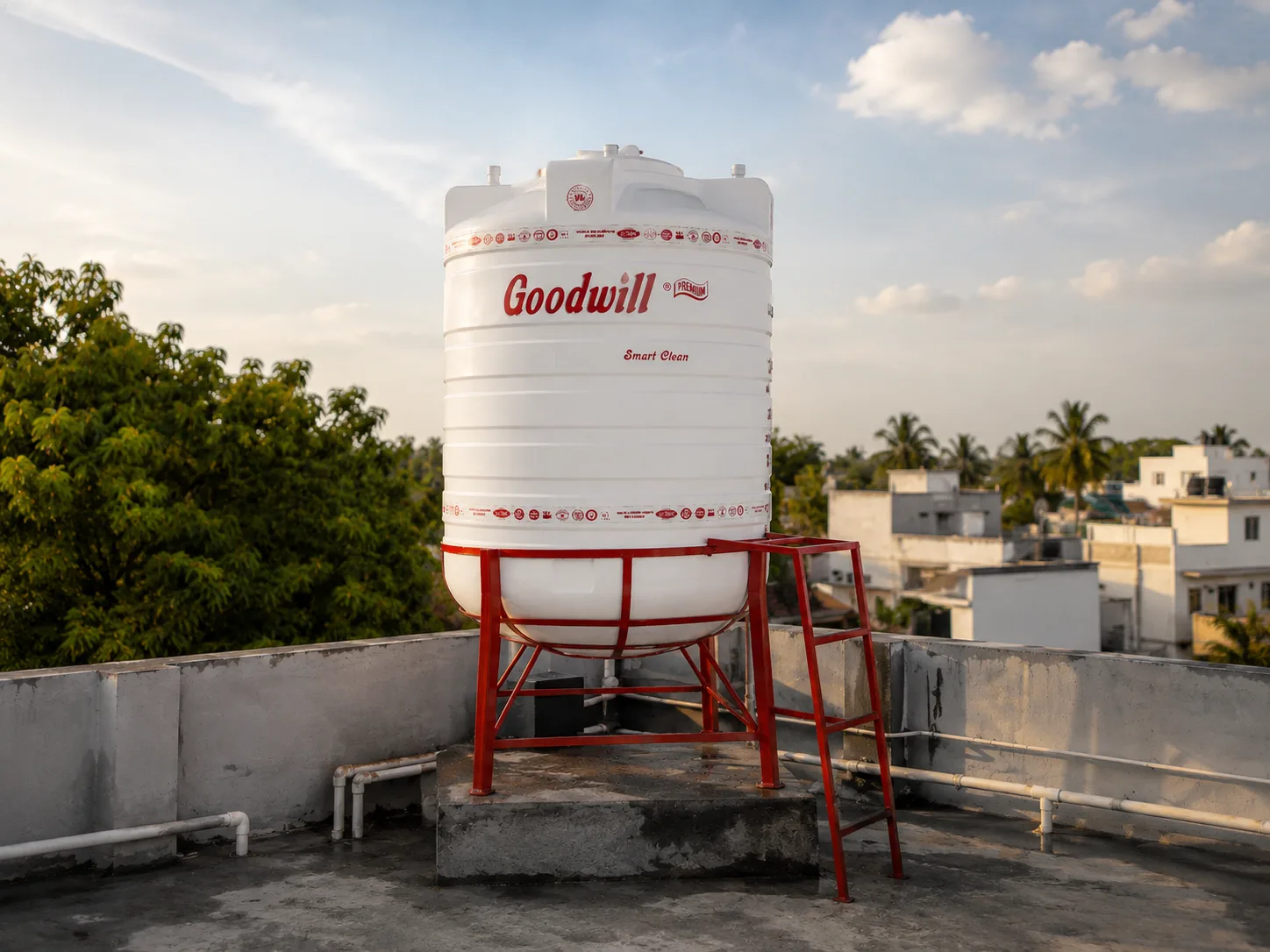
The tank decides how much rain you can actually keep. Underground tanks are popular for harvesting because they keep water cool and free up space, while overhead tanks work well for gravity-fed use.
What the water is good for
Harvested rainwater is well suited to gardening, washing, cleaning and flushing. It should be treated and filtered properly before being used for drinking.
FAQ
Is harvested rainwater safe to drink? Not without proper filtration and disinfection. Without treatment, use it for non-drinking purposes.
What type of tank is best for rainwater harvesting? Underground tanks are common for large volumes, and overhead tanks suit smaller setups. Choose based on the space available and how much rain you want to store.
See Goodwill’s underground and overhead water tanks to plan your storage.