The importance of regular maintenance and cleaning of water tanks to ensure the safety and quality of stored water for domestic use
How often should a water tank be cleaned? A good rule of thumb is every six months, and sooner if the water looks cloudy, smells off, or tastes different. Over time, sediment, algae and biofilm build up inside any tank, and that affects the water your family uses every day.
Why regular cleaning matters
- Sediment settles at the bottom and gets stirred up whenever the tank refills.
- Algae and biofilm grow where light and warmth reach the water.
- Insects and debris can enter through a loose lid or damaged vent.
A simple cleaning routine
- Switch off the pump and the incoming supply.
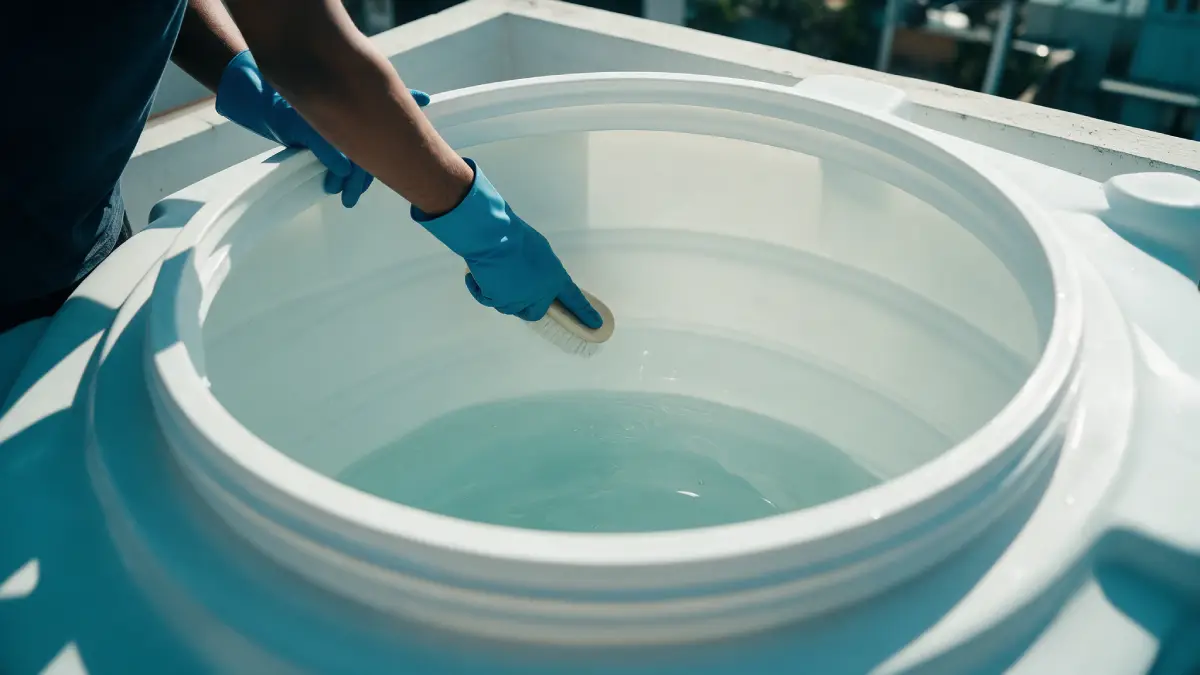
- Drain the tank and scrub the walls and base with a soft brush. Avoid harsh tools that scratch the surface.
- Rinse thoroughly until the water runs clear.
- If you disinfect, use a diluted chlorine-based solution as per local public health guidance, then rinse well before refilling.
- Check the lid, inlet and vent screen, and fix anything that is loose or damaged.
Never mix different cleaning chemicals.
Choose a tank that makes upkeep easier
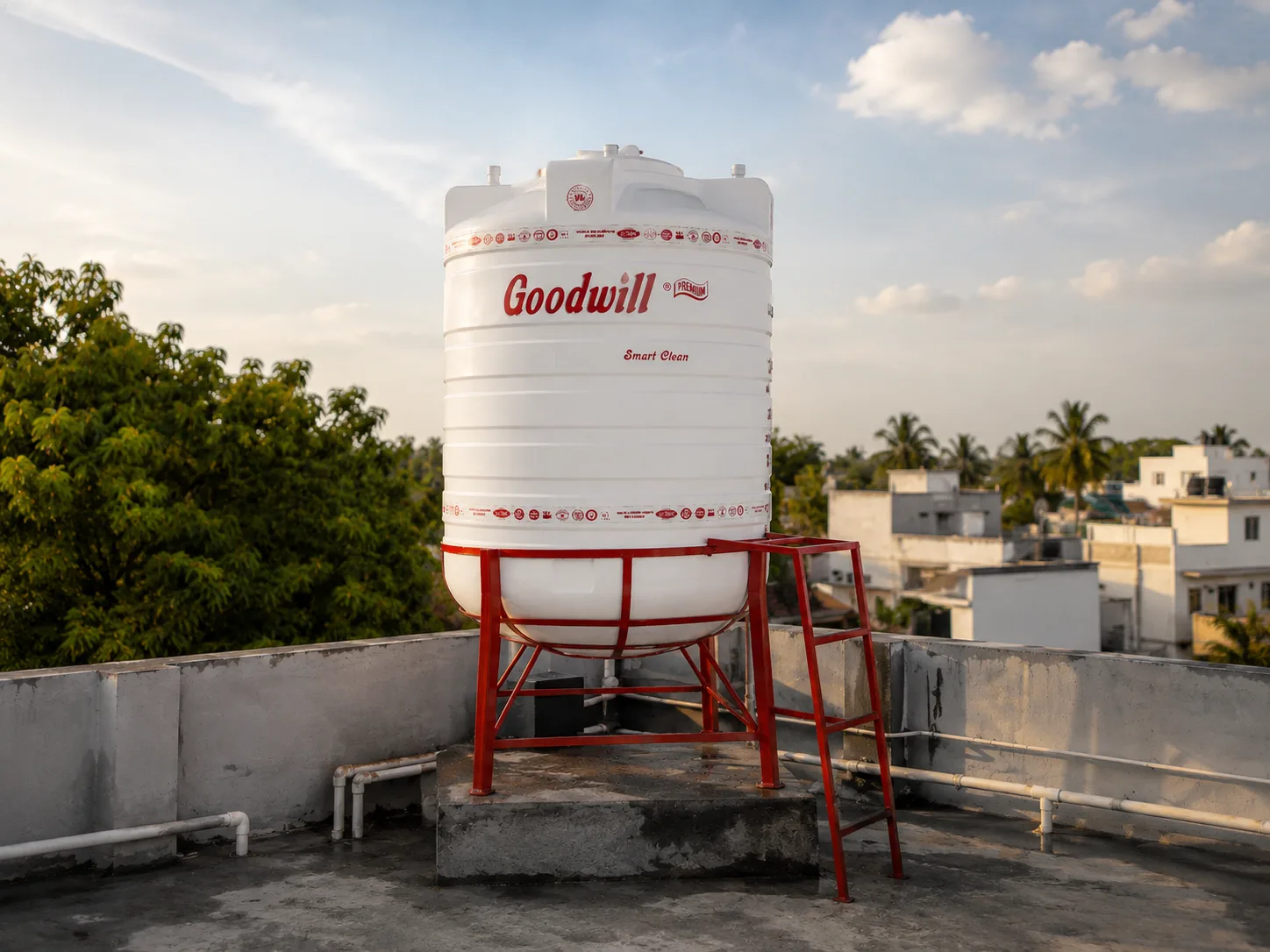
A well-fitted lid and a tank built in multiple layers to block sunlight both help keep algae in check between cleanings.
FAQ
Can I use bleach to clean my water tank? A diluted chlorine-based disinfectant is commonly used, but it must be diluted correctly and rinsed out completely before the tank is refilled.
What are the signs my tank needs cleaning? Cloudy water, a musty smell, visible sediment, or green growth near the lid are all signs it is time.
Explore Goodwill’s range of overhead water tanks built for everyday household storage.